

Florida Hit‑and‑Run Accident Lawyer
Injured by a driver who left the scene? We help preserve evidence, identify available insurance, document losses, and pursue a Florida injury claim—even if the driver is never found.
Do you have a Florida hit‑and‑run claim?
Can you still have a claim if the hit‑and‑run driver is never found?
Yes, potentially. Personal Injury Protection (PIP) may provide qualifying first-party benefits, uninsured motorist (UM) coverage may provide compensation for bodily injury, and collision coverage may address vehicle damage. If no UM applies, the available recovery may be much more limited.
When should you speak with a Florida hit‑and‑run lawyer?
Early legal review is especially useful when injuries are serious, UM coverage is unclear, the insurer disputes the crash, several policies may apply, or video and witness evidence may disappear.
Florida law: injury and fatal hit-and-run crashes are addressed by Florida Statute § 316.027; property-damage-only crashes are addressed separately by Florida Statute § 316.061.
What should you do after a Florida hit‑and‑run?
Get to safety, report the crash, and preserve what you can before video, witnesses, or physical evidence disappear. Do not chase the fleeing vehicle.
Call 911 and report the fleeing vehicle
Give the direction of travel, vehicle description, full or partial plate, visible damage, and any driver description you remember. Save the crash report number.
Get medical care and keep the records
Seek emergency care when needed and follow up for new or worsening symptoms. Qualifying Florida PIP medical benefits generally require initial services and care within 14 days.
Photograph the scene and identify cameras
Photograph vehicle damage, debris, paint transfer, roadway markings, nearby cameras, and damaged personal property before conditions change.
Notify the insurer without guessing
Report that the other driver left the scene and obtain a claim number. Avoid guessing about speed, distance, fault, or prognosis.
What evidence can help prove a Florida hit‑and‑run claim?
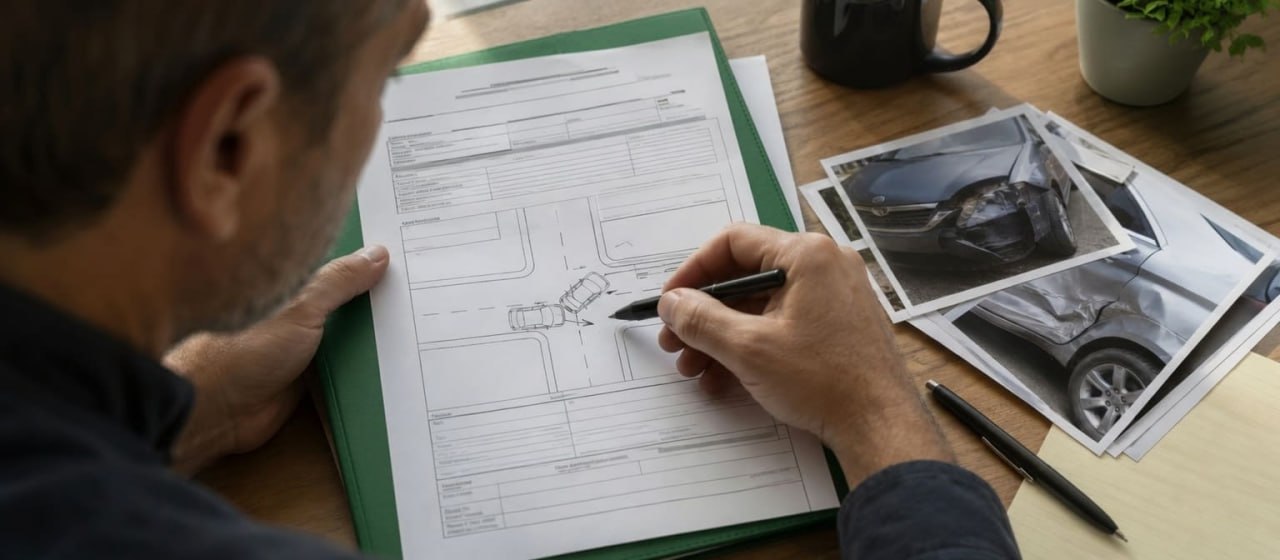
The evidence should help show how the collision happened, support the existence of the fleeing vehicle, document the injuries, and identify any available insurance.
- full or partial license plate and vehicle description;
- dashcam, phone, business, residential, or traffic video;
- witness names and contact information;
- scene photographs, debris, paint transfer, and impact damage;
- police report and investigating-agency information;
- medical records, bills, work restrictions, and wage records.
Video can be overwritten, witnesses can become harder to locate, and vehicle damage may be repaired before the claim is evaluated.
Do not wait for the police investigation to finish. A lawyer can request preservation from known video sources while law enforcement continues its work.

Which insurance and other compensation sources may apply after a Florida hit‑and‑run?
Coverage depends on the injured person’s status, the policies in force, and whether the fleeing vehicle is later identified.
Personal Injury Protection (PIP)
PIP generally pays 80% of qualifying medical expenses and 60% of qualifying lost income or loss of earning capacity caused by the injuries, subject to statutory rules. Initial care generally must occur within 14 days. The statutory limit for medical and disability benefits is generally $10,000 in qualifying cases; when no emergency medical condition is determined, medical reimbursement is generally limited to $2,500.
Uninsured Motorist (UM) coverage
UM may apply when the responsible motorist has no applicable liability coverage or cannot be identified. Florida law requires UM to be offered with qualifying bodily-injury liability coverage, but a named insured may reject it in writing or select lower limits. Coverage depends on the policy and crash facts.
Collision and property damage
Collision coverage may address vehicle damage even if the driver is never found, subject to the policy and deductible.
If there is no UM and the driver remains unknown
Options can narrow significantly. PIP or health insurance may address medical expenses and collision may address the vehicle, but there may be no liability source for the full injury claim unless another responsible party is identified.
Florida crime‑victim compensation
Some victims of qualifying injury or fatal hit-and-run crimes may also qualify for Florida crime-victim compensation. For crimes on or after October 1, 2019, reporting generally must occur within five days unless good cause justifies delay. For an injury claim, the application generally must be filed within three years of the crime.
For a death-related claim, the three-year period generally runs from the later of the date of the crime, the victim’s death, or the determination that the death resulted from the crime. For good cause, the department may extend the filing period, but not beyond five years after the crime. Awards follow other available payment sources.
How to read this section: these are common coverage paths, not guaranteed benefits. Policy language, who qualifies as an insured, selection or rejection forms, deductibles, and later identification of the driver can change the result.
What damages and claim rules matter after a Florida hit‑and‑run?
Recoverable losses depend on fault, medical proof, insurance, and the effect of the injuries.
How much is a Florida hit-and-run claim worth? There is no standard settlement amount. Value depends on fault, available insurance, injury severity, past and future medical needs, lost income, permanent limitations, property loss, and the strength of the supporting evidence.
Injury and financial losses
- past medical expenses and supported future care;
- lost wages and reduced earning capacity when proven;
- pain, suffering, and loss of enjoyment when legally recoverable;
- permanent impairment or long-term limitations when supported.
Vehicle and property losses
- repair or total-loss value;
- towing and storage;
- rental or transportation-related losses when recoverable;
- damaged bicycle, helmet, clothing, or other personal property.
Comparative fault can reduce or bar recovery
Under Florida § 768.81, the injured person’s percentage of fault reduces damages. In a covered negligence action, a party found more than 50% at fault for his or her own harm may not recover damages. Florida Statute § 768.81.
Two years is not the only clock
Florida currently places negligence actions in a two-year limitations category. The 2023 change applies prospectively to claims accruing after March 24, 2023; older claims can differ. Insurance notice and evidence issues may arise much sooner. Florida Statute § 95.11.
Non-economic damages: Florida’s motor-vehicle tort rules include an injury threshold for certain pain-and-suffering damages. Medical documentation can therefore affect what is recoverable. See Florida Statute § 627.737.
When the claim path changes after a hit‑and‑run
Coverage and proof can change when the driver is found later, the injured person was outside a standard passenger vehicle, or the crash was fatal.
If the driver is found later
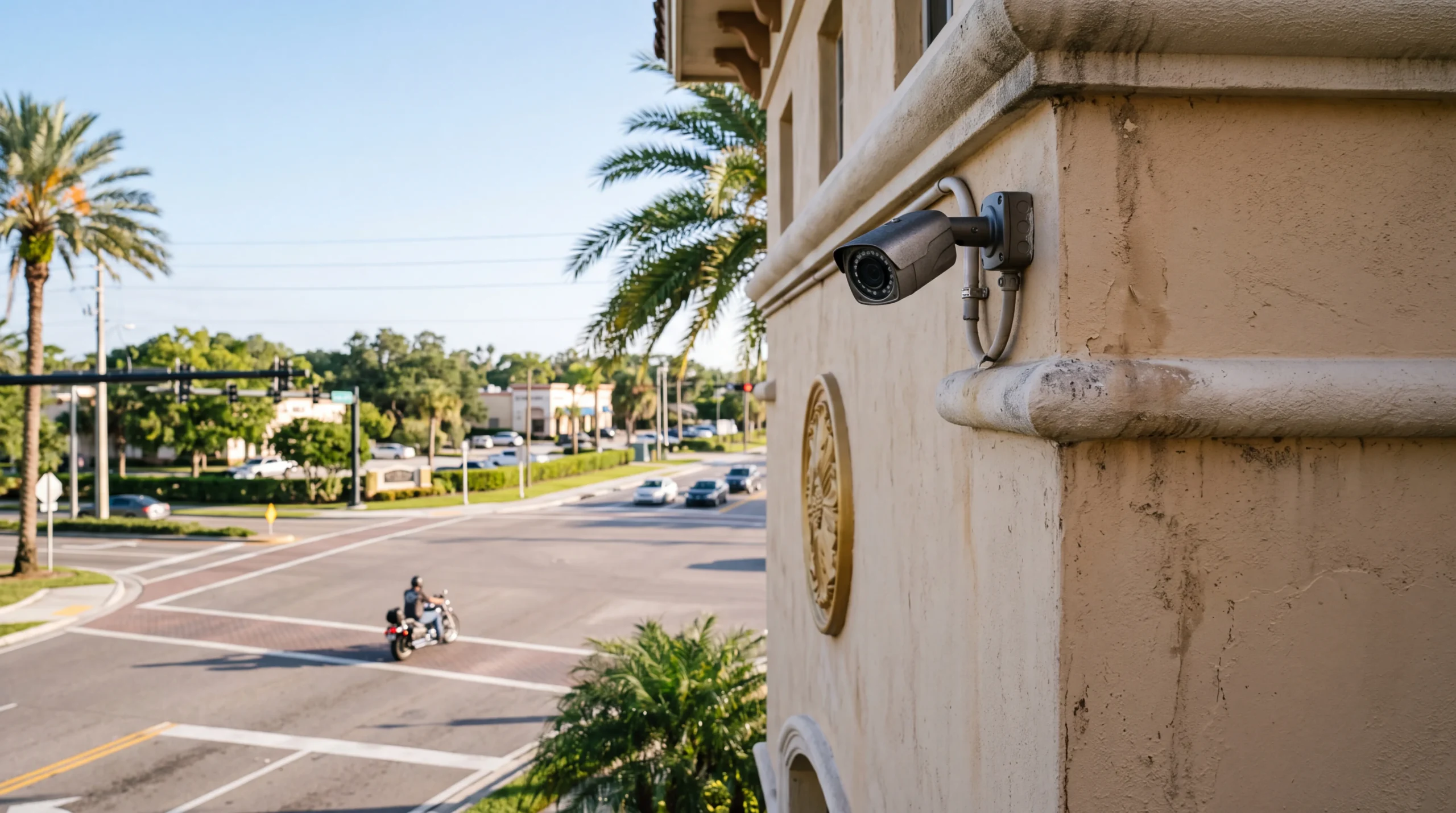
The investigation can shift to vehicle ownership, liability insurance, and other responsible parties. Identification alone does not establish fault or guarantee coverage.

If the injured person was on a motorcycle
Standard Florida PIP generally does not cover injuries sustained while occupying a motorcycle. Liability and UM require separate analysis. See Florida Motorcycle Accident Lawyer.
Pedestrians and bicyclists
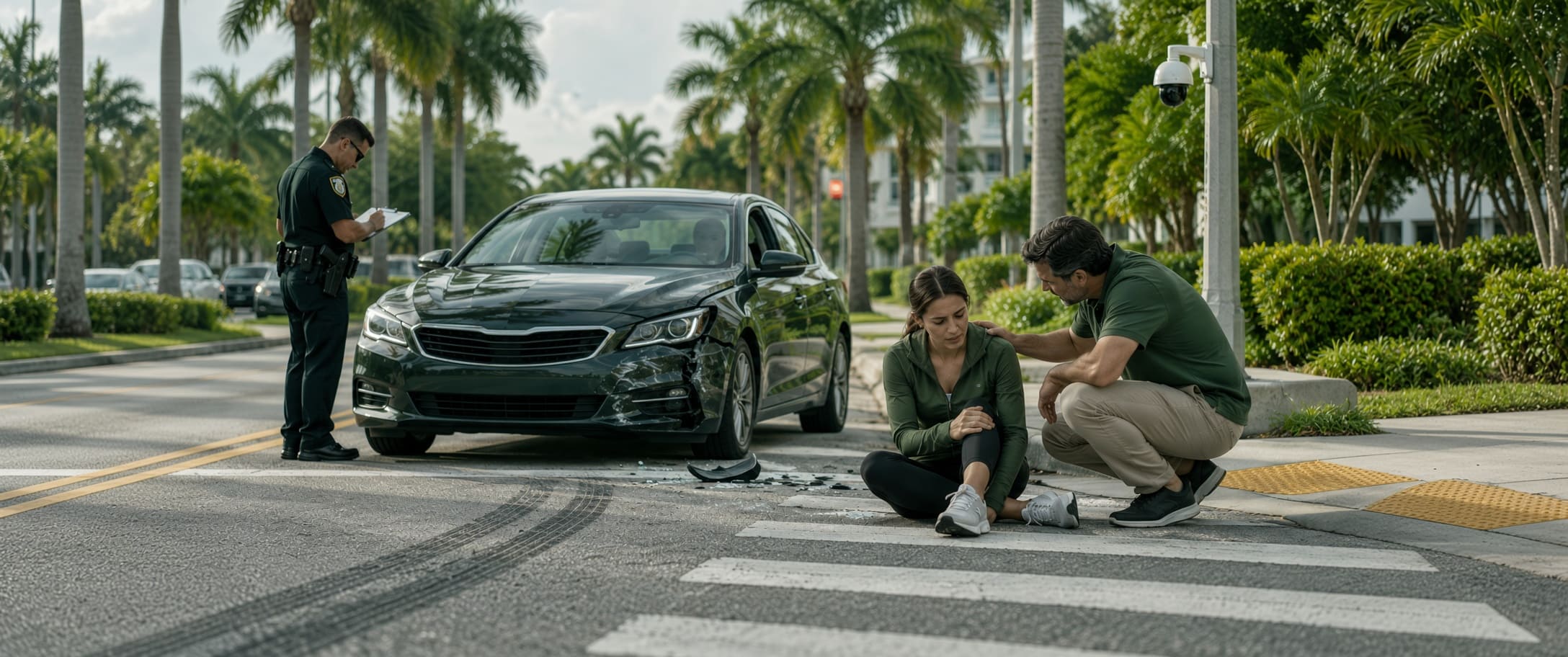
Preserve clothing, bicycle or helmet damage, roadway evidence, and review PIP priority and household UM issues. See Florida Pedestrian Accident Lawyer.

Fatal hit‑and‑run crashes
A criminal investigation and civil wrongful death claim are separate. The personal representative brings the action for eligible survivors and the estate under Florida Statute § 768.20. See Florida Wrongful Death Lawyer.
Related Florida accident guidance: for broader liability, insurance, medical, and settlement issues, see Florida Car Accident Lawyer and the Florida UM/UIM Coverage Guide.
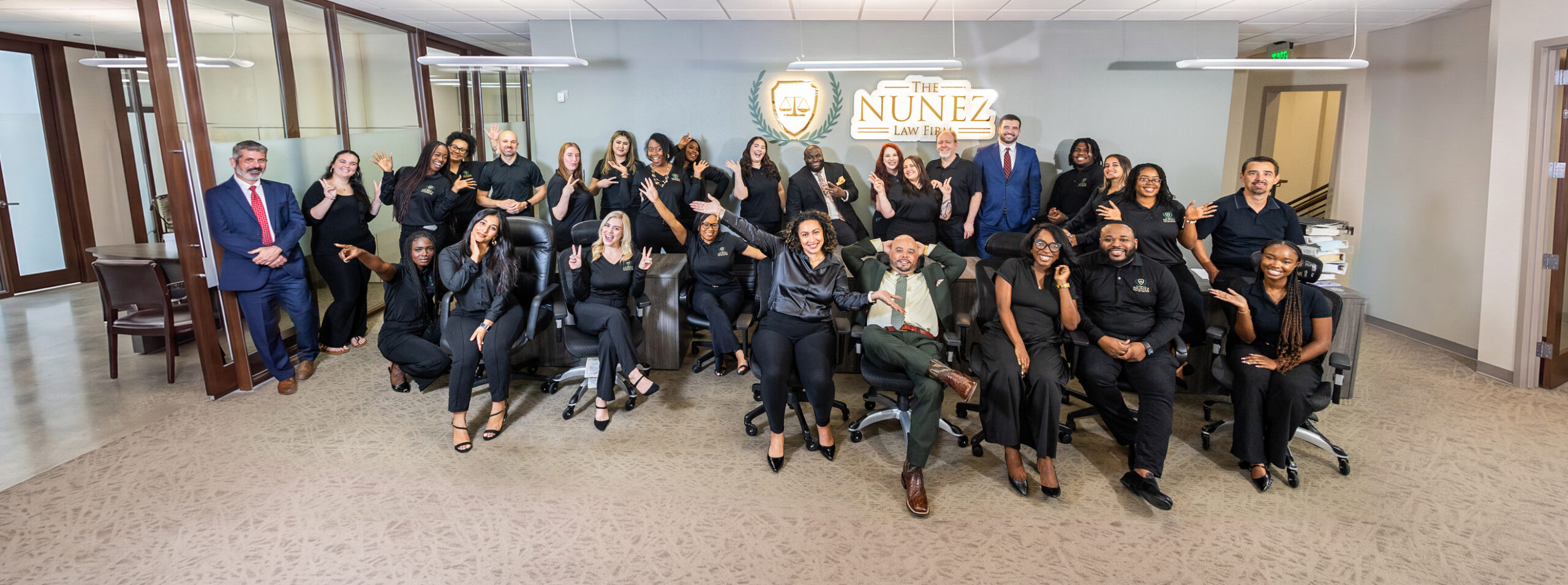
How a Florida hit‑and‑run lawyer can help with the claim
We identify video, witnesses, vehicle evidence, police information, and preservation needs.
We review PIP, UM, collision, household policies, and any newly identified vehicle.
We organize medical records, bills, wage proof, future-care recommendations, and property losses.
We address coverage and fault disputes, evaluate settlement offers, and prepare litigation when appropriate.
What does the initial case assessment cost?
The initial case assessment is free. If representation is offered, the written fee agreement will state the attorney-fee terms, how case costs are handled, and whether any costs may be owed if there is no recovery.
Florida Hit‑and‑Run Accident FAQ
Do I need to wait for police to find the driver before starting a claim?
No. Evidence-preservation and insurance work can begin while law enforcement continues its investigation. Available claims still depend on the policies and facts.
What if the insurer disputes that another vehicle caused the crash?
The claim may depend on the police report, witnesses, video, vehicle damage, debris, scene photographs, and consistency of the reported facts. Preserve those records before evidence is lost.
What if I only remember part of the license plate?
Report every detail you remember: partial plate characters, color, make, model, visible damage, decals, direction of travel, and driver description. Video or witnesses may connect those clues to a vehicle.
What if a hit-and-run happened while I was working?
A work-related crash can create additional insurance or workers’ compensation questions. Auto and employment-related coverage should be reviewed together.
Should I accept an early settlement offer?
Review the release, medical status, available coverage, wage loss, and unresolved reimbursement claims before accepting. A signed release can end claims against the parties it covers.

Injured by a driver who left the scene?
Contact The Nunez Law Firm for a free case assessment. The firm can review the crash evidence, available policies, treatment records, and immediate next steps. There is no obligation to proceed after the initial conversation.
This page provides general information about Florida hit-and-run injury claims and is not legal advice. Reading this page or contacting the firm does not by itself create an attorney-client relationship. Liability, insurance coverage, damages, deadlines, and available remedies depend on the facts, policy language, and law applicable to the individual case.
Sources & Firm InformationLegal sources and firm information
§ 768.81 comparative fault · § 627.737 tort threshold · § 95.11 limitations.
§ 960.03 defines qualifying crimes · § 960.07 addresses claim filing deadlines · § 960.13 addresses reporting, need, and payment after other available sources.
The Nunez Law Firm — Firm Overview · Questions to Ask Before Hiring a Florida Car Accident Lawyer.