

Florida car accident evidence guide
Pain and suffering after a Florida car accident: what evidence can support a claim
Evidence for pain and suffering should connect the injury to specific changes in daily life. Medical records establish the condition; symptom history, restrictions, sleep, mobility, work limits, missed activities, and other corroborating evidence can show how the effects continued or changed over time.

Quick answer
Pain and suffering refers to non-economic effects of an injury, such as physical pain, mental anguish, inconvenience, impairment, and loss of enjoyment of life when those damages are legally recoverable. The most useful evidence connects the medical condition, symptoms or restrictions, and specific changes in daily life over time.
What evidence can show pain and suffering after a crash
A person's description of pain is evidence. Medical records and corroborating evidence can add context by showing consistency, causation, and functional impact over time. Diagnoses, reported symptoms, treatment, restrictions, and specific changes in daily activity are most useful when they fit the same timeline.
Medical records and diagnosis
Emergency records, physician notes, imaging, specialist evaluations, physical therapy notes, and diagnoses can document the condition being treated. The most useful records explain not only what the diagnosis is, but also the symptoms, functional problems, examination findings, treatment plan, and follow-up.
Pain complaints and symptom history
Repeated reports of pain, headaches, numbness, weakness, stiffness, dizziness, sleep disruption, or other symptoms can help establish a continuing pattern. Consistency matters. A symptom timeline is stronger when it matches treatment records and explains meaningful changes rather than repeating the same general description.
Treatment history and response to care
Treatment records can show whether symptoms improved, persisted, returned, or required escalation of care. They may also document medication changes, therapy progress, referrals, injections, surgery recommendations, home exercises, or other efforts to manage the condition.
Restrictions from physicians
Written restrictions can connect the medical condition to real-world limitations. Examples include limits on lifting, standing, walking, driving, bending, working hours, or physical activity. The record should show why a restriction was imposed and, when known, how long it remained in effect.
Mental-health and psychological records
When a claim includes anxiety, depression, trauma symptoms, fear of driving, sleep disturbance, or other psychological effects, records from qualified providers can document symptoms, diagnosis when applicable, treatment, and changes over time. The records should reflect the psychological effects actually being claimed.
Photos and videos
Dated photos or videos may help document visible injuries, scarring, use of braces or mobility aids, and specific functional limitations. They are most helpful when they show a real condition or activity change and can be placed in the same timeline as treatment and recovery.
Observations from other people
Family members, friends, coworkers, or other people who regularly observed the injured person may describe concrete changes in mobility, sleep, work, household tasks, recreation, or independence. Specific before-and-after observations can be especially useful: what the person could normally do before the crash, what changed afterward, and what the observer personally saw. They should not offer medical conclusions.
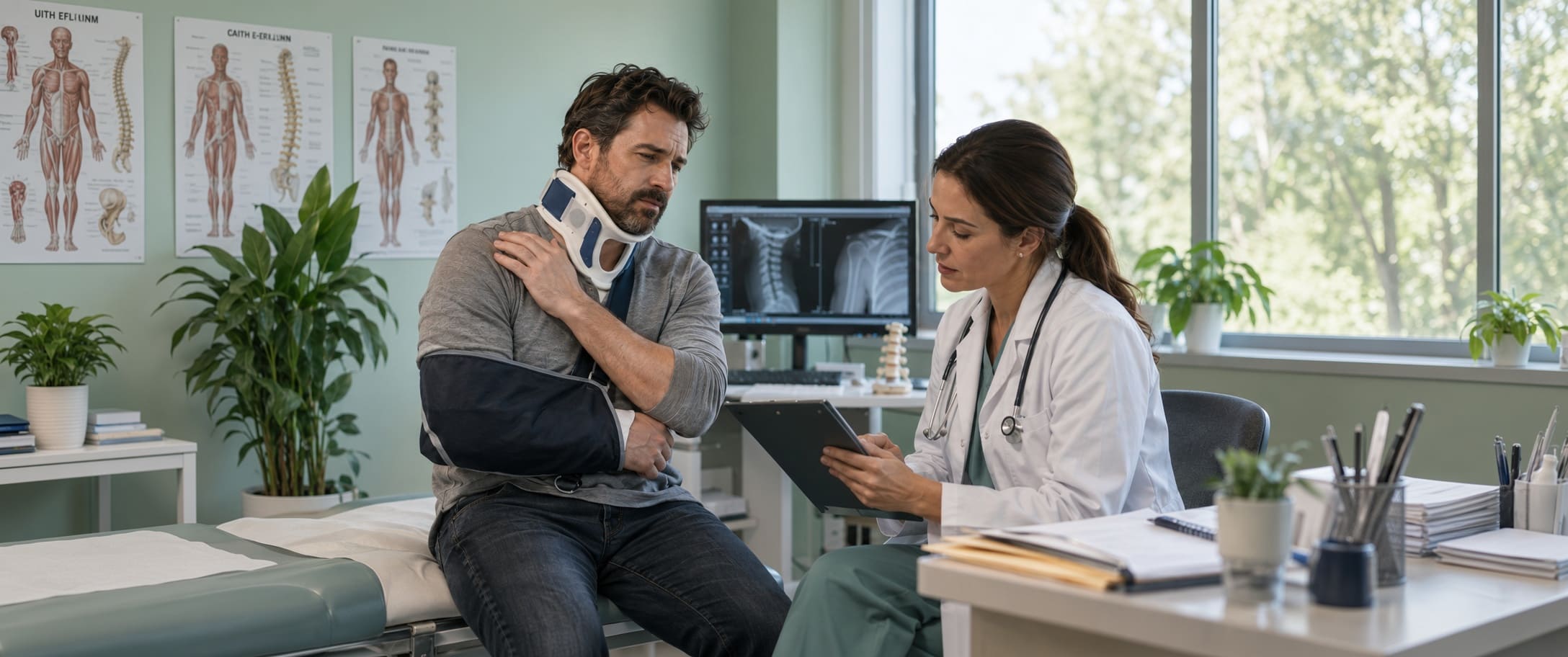
How daily-life changes can support the claim
Non-economic damages focus on effects that do not appear on a medical bill. The evidence should describe specific changes in function and routine rather than broad statements such as "everything is harder."
Sleep problems
Difficulty falling asleep, waking because of pain, needing to change sleeping positions, or reduced sleep quality may be relevant when the pattern is documented consistently and connected to the injury.
Mobility limitations
Problems with walking, stairs, sitting, standing, driving, reaching, lifting, or moving for long periods can show how an injury affects ordinary movement and independence.
Household limitations
Difficulty cleaning, cooking, shopping, carrying groceries, caring for children, doing yard work, or performing routine maintenance can help show a practical loss of normal function.
Missed activities
Giving up exercise, hobbies, travel, social events, family routines, religious activities, or other meaningful activities can be relevant when the evidence identifies what changed and why.
Work limitations
A person may return to work and still have pain, reduced stamina, schedule changes, extra breaks, lifting limits, or difficulty performing normal duties. That functional impact is different from the separate economic question of lost wages.
Changes in independence
Needing help with transportation, errands, household tasks, personal care, or activities that were previously done without assistance can help illustrate the seriousness of functional limitations.
Keep economic and non-economic evidence separate
If the injury caused missed income, the documents proving that loss belong in a separate lost-wages analysis. See Lost Wages After a Florida Car Accident for the records used to prove income loss.
Why the symptom timeline matters
A claim is easier to understand when the records show what happened from the first symptoms through treatment, recovery, setbacks, and any remaining limitations. The goal is not to create a perfect diary. It is to preserve a reliable chronology.
Start with the first symptoms
Record when pain or limitations first appeared, whether symptoms were immediate or developed later, and when medical care began. This helps connect the early complaint to the later treatment history.
Track meaningful changes
Note improvement, worsening symptoms, new restrictions, referrals, procedures, medication changes, or changes in work and activity. Focus on meaningful milestones instead of repeating the same description every day.
Document gaps accurately
If treatment stopped or appointments were delayed, the reason may matter. Insurance issues, work, transportation, illness, improvement, or a provider transition are different explanations. Do not guess; preserve records showing what actually happened.
Connect long-term limits to medical evidence
If restrictions remain months later, current records should explain the condition, treatment status, prognosis, and continuing functional problems. Older records alone may not show the present effect of the injury.

Florida-specific rule for non-economic damages in motor vehicle cases
In motor-vehicle cases governed by Florida's Motor Vehicle No-Fault Law, proving pain alone is not enough to recover these non-economic damages in tort. Section 627.737(2) requires the injury or disease to fall within at least one of four statutory categories.
Under Florida Statutes section 627.737(2), recovery in tort for pain, suffering, mental anguish, and inconvenience arising from the use of a motor vehicle is limited to cases in which the injury or disease consists in whole or in part of one of the statutory categories: significant and permanent loss of an important bodily function; permanent injury within a reasonable degree of medical probability, other than scarring or disfigurement; significant and permanent scarring or disfigurement; or death.
Not every qualifying case depends on a diagnosis labeled "permanent injury." The statute provides four alternative categories. Medical evidence, permanence opinions when relevant, scarring or disfigurement evidence, functional restrictions, and the overall record can matter when the threshold is disputed.
For the difference between Florida PIP benefits and a bodily-injury liability claim, see Florida PIP vs. bodily injury claim.
There is no official pain-and-suffering multiplier
Florida's standard civil jury instructions describe pain and suffering, disability or physical impairment, disfigurement, mental anguish, inconvenience, and loss of capacity for the enjoyment of life as compensable elements when legally available. They also state that there is no exact standard for measuring this damage. Online "multiplier" formulas are not a substitute for evidence or the applicable legal threshold.
How to document the impact without overcomplicating the record
Good documentation should be specific, consistent, and tied to the medical history. The record should show what changed, when it changed, and whether the limitation continues.
Related evidence may support other parts of the claim
Ongoing treatment and prognosis can also affect future-care issues. See Future Medical Expenses After a Florida Car Accident for the records used to evaluate projected medical needs.
What can make the evidence harder to evaluate
These issues do not automatically defeat a claim, but they can create questions that should be addressed with accurate records rather than assumptions.
Vague descriptions
Statements such as "I cannot do anything" are less useful than specific examples showing which activities became difficult, how often the problem occurs, and what assistance or modification is needed.
Inconsistent timelines
Major differences between medical records, later statements, and claimed limitations may need explanation. A clear chronology helps distinguish a real change in condition from an apparent contradiction.
When legal review can be especially useful
Legal review may be particularly important when the insurer disputes whether the injury is permanent, argues that daily limitations are unrelated to the crash, relies on treatment gaps, or makes an early settlement offer before the long-term medical picture is clear.
Pain and suffering after a Florida car accident FAQ
Can family members, friends, or coworkers support a pain-and-suffering claim?
Yes. People who regularly observed the injured person may describe specific changes they personally saw, such as reduced mobility, interrupted sleep, help needed with household tasks, missed activities, or changes at work. Their observations can support the record, but they do not replace medical evidence or establish a medical diagnosis.
Are medical records enough by themselves?
Medical records are central, but they may not fully describe how the injury changed daily life. Functional evidence can help explain what the symptoms mean in practical terms, including problems with sleep, mobility, work, household tasks, or activities that were previously routine.
Do I need to keep a daily pain journal?
A daily journal is not required in every case. If you keep one, focus on meaningful changes, treatment events, restrictions, and specific functional problems. Repetitive entries or exaggerated descriptions can be less useful than a clear, accurate timeline.
Can work limitations support pain and suffering if I did not lose wages?
They can still be relevant to functional impact. A person may continue working but need shorter shifts, extra breaks, lighter duties, help with physical tasks, or changes in position. Lost wages are a separate economic-damages issue.
Does Florida require a permanent injury for pain and suffering damages after a car accident?
Not necessarily. In motor-vehicle cases governed by Florida's Motor Vehicle No-Fault Law, section 627.737(2) requires the injury or disease to fall within at least one of four categories: significant and permanent loss of an important bodily function; permanent injury within a reasonable degree of medical probability, other than scarring or disfigurement; significant and permanent scarring or disfigurement; or death.
Is pain and suffering calculated with a multiplier?
Florida's standard civil jury instructions do not provide an official multiplier or fixed formula. They state that there is no exact standard for measuring this type of damage and that the amount, when recoverable, should be fair and just in light of the evidence.
What should I do if my symptoms change months after the crash?
Continue to document treatment, new diagnoses, referrals, restrictions, and meaningful changes in function. Current records can be important because early medical notes may not describe later symptoms, long-term limitations, or a developing prognosis.
Free consultation
Talk to an attorney about the evidence in your claim
If an insurer is disputing your injuries, treatment, or daily limitations after a Florida car accident, The Nunez Law Firm can review the records and explain the legal issues that may affect the claim.
No fee unless we win. Available 24/7 for new clients in Orlando, Fort Myers, and across Florida.
(407) 203-2769Legal sources
- Florida Statutes section 627.737 2026 Florida statute addressing the motor-vehicle tort threshold for pain, suffering, mental anguish, and inconvenience.
- Florida Standard Jury Instructions in Civil Cases Section 500 includes instructions addressing personal-injury damages and the motor-vehicle no-fault threshold.